Construction Inventory Management Software – How to Track Materials From Purchase to Project Completion
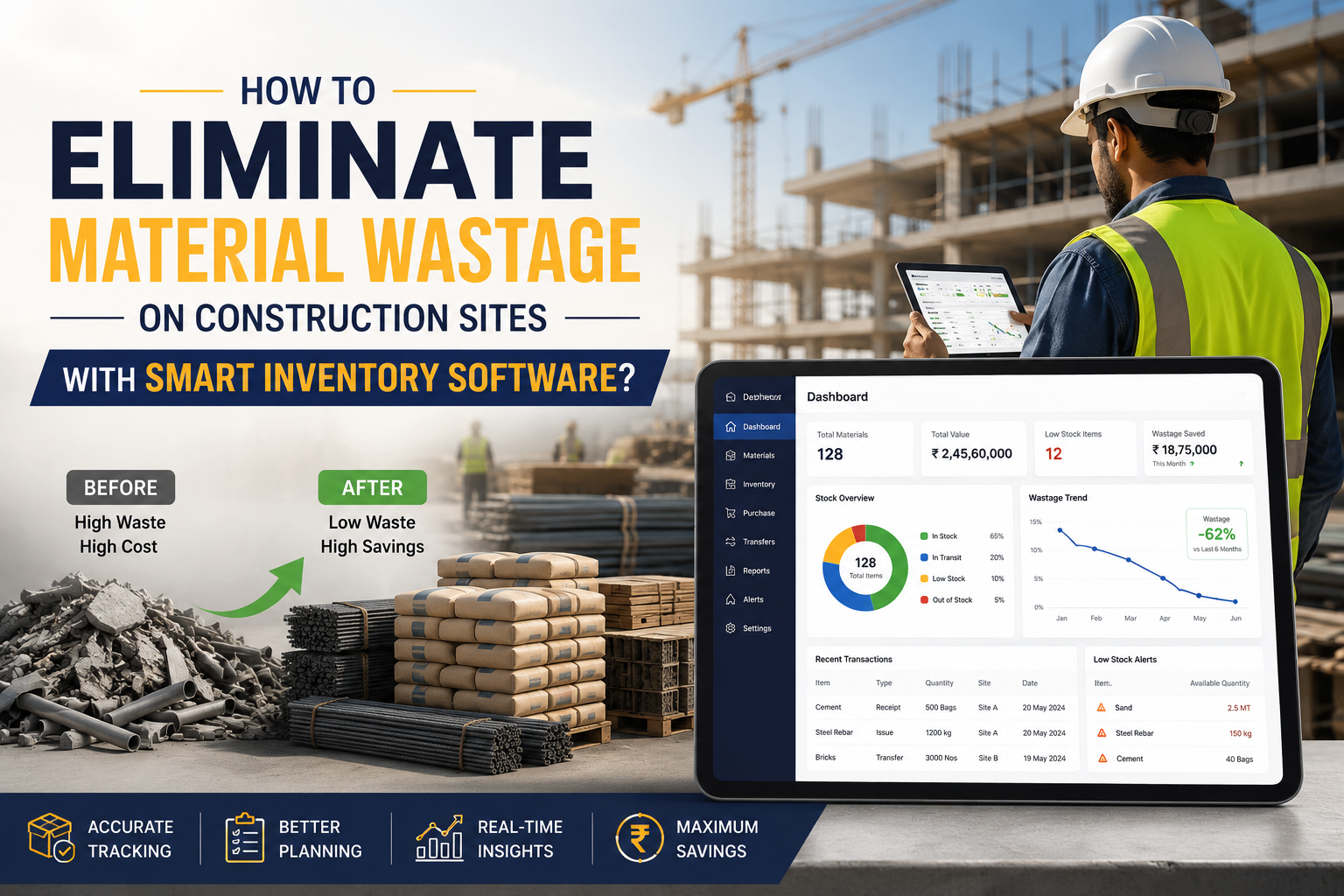
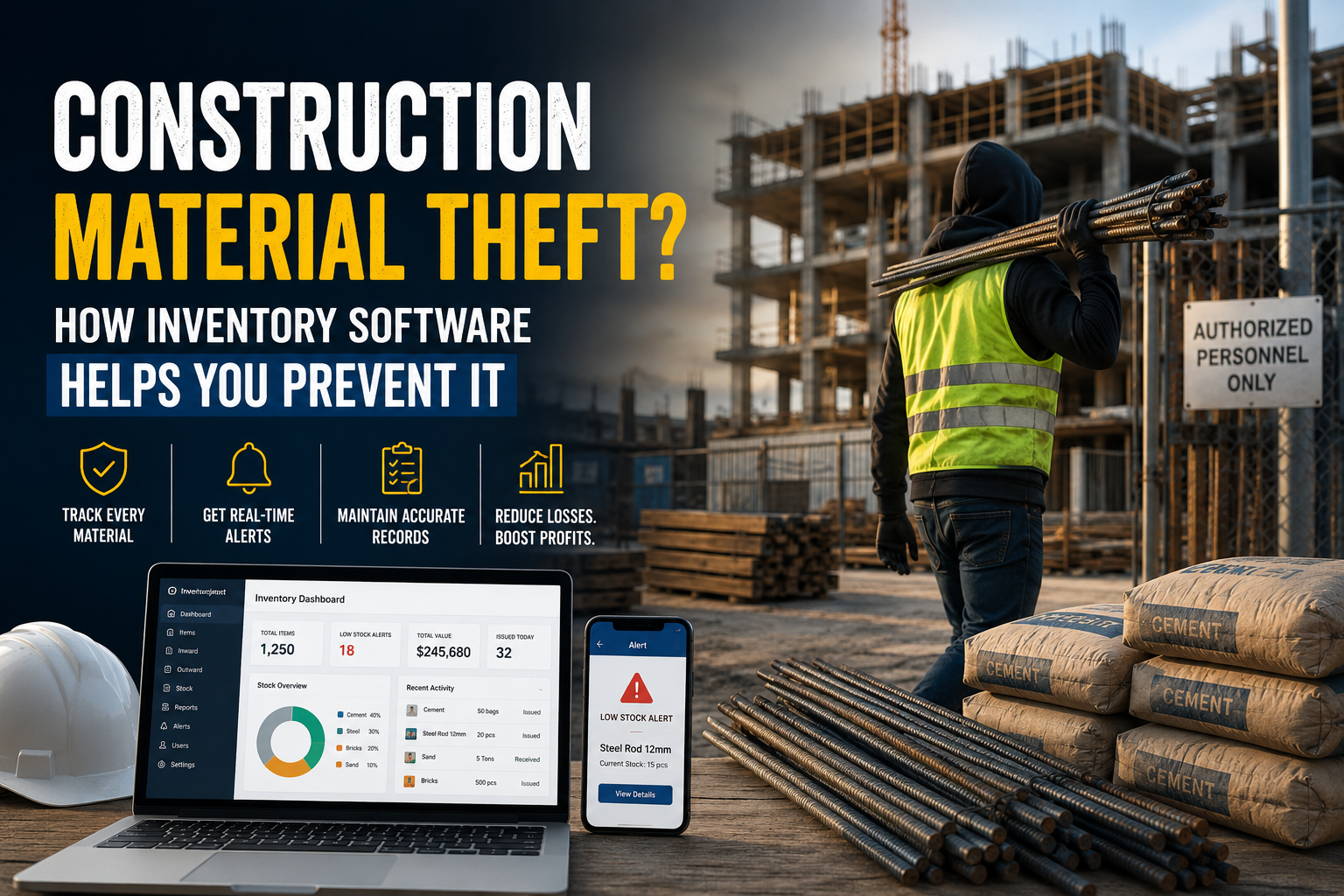
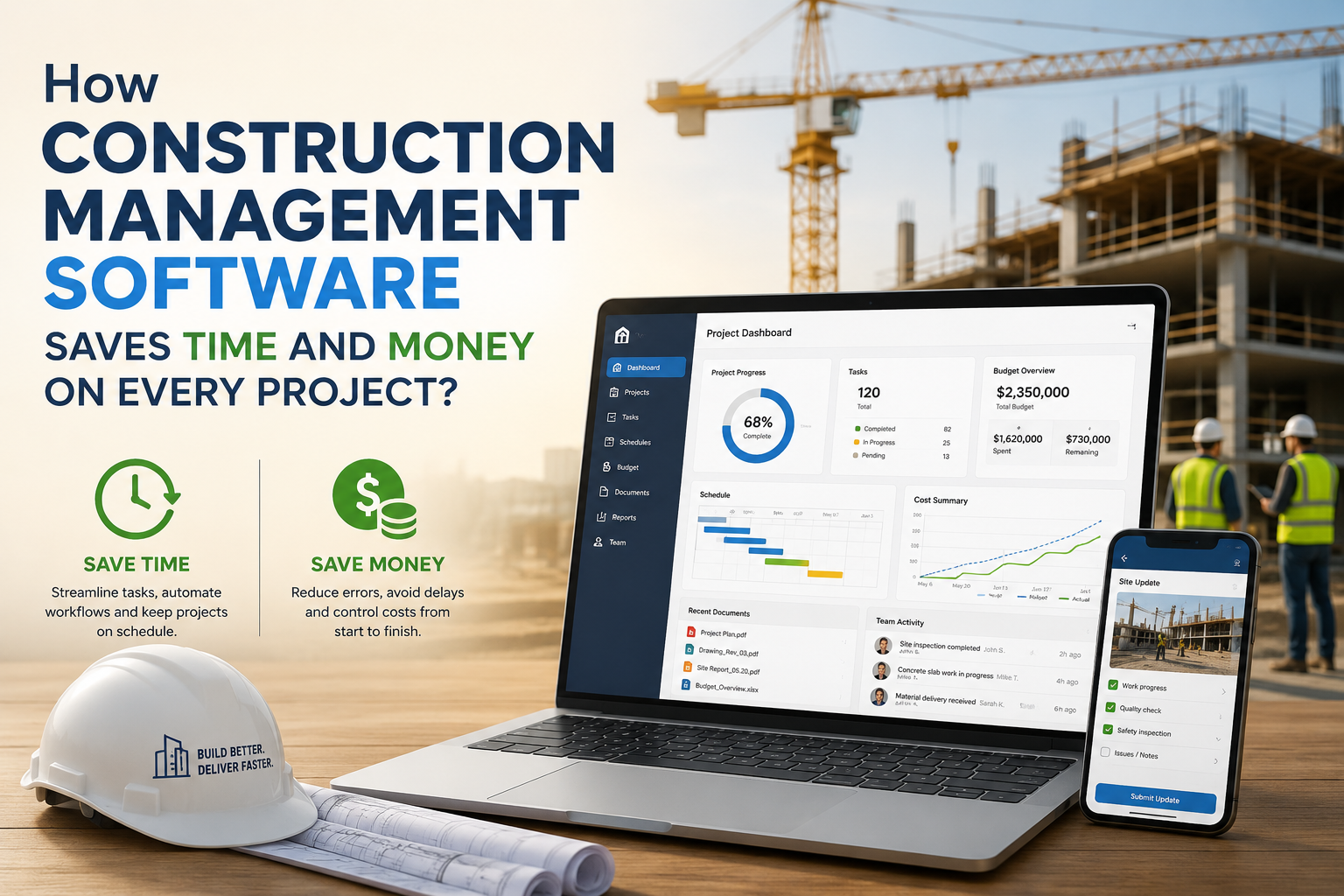
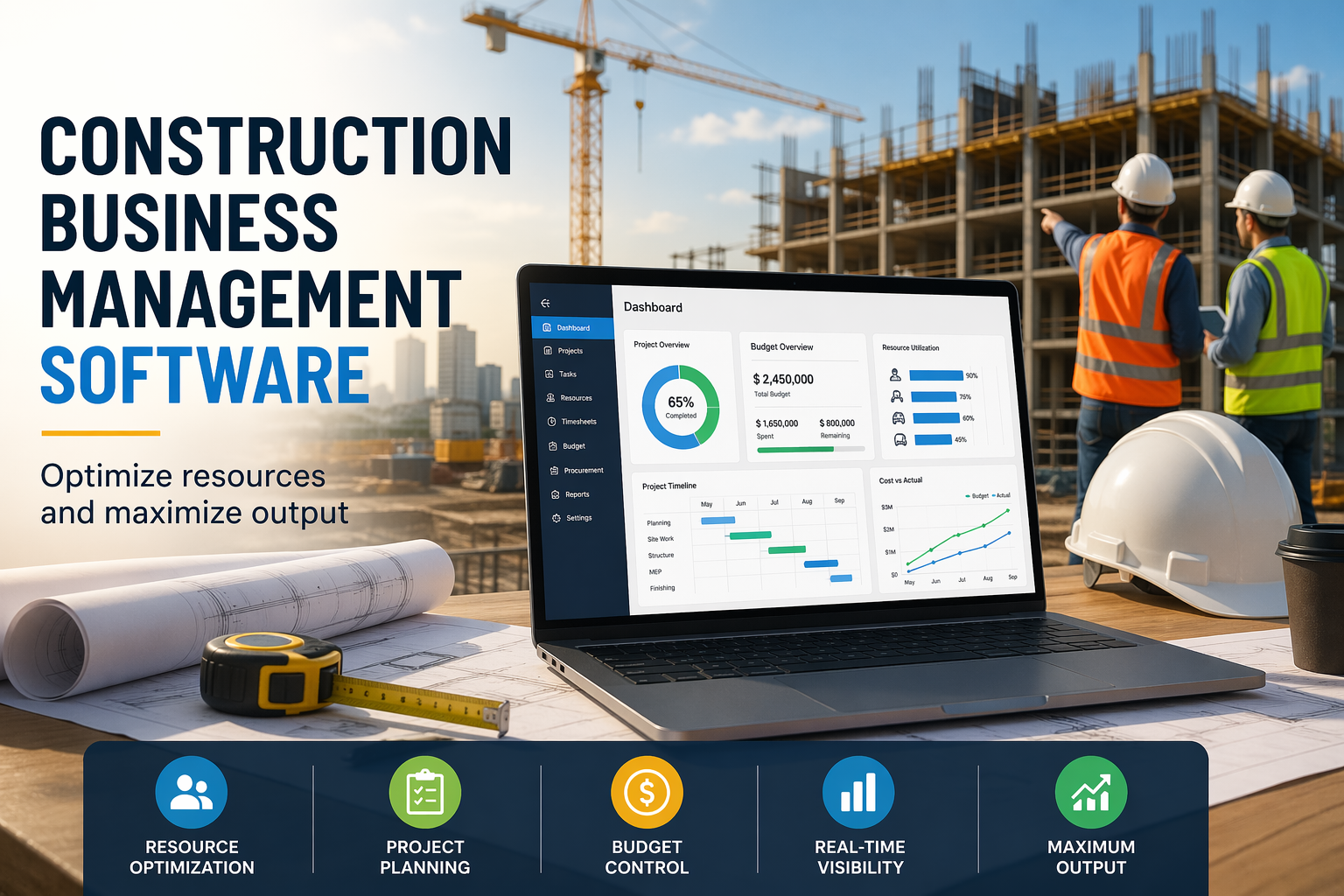
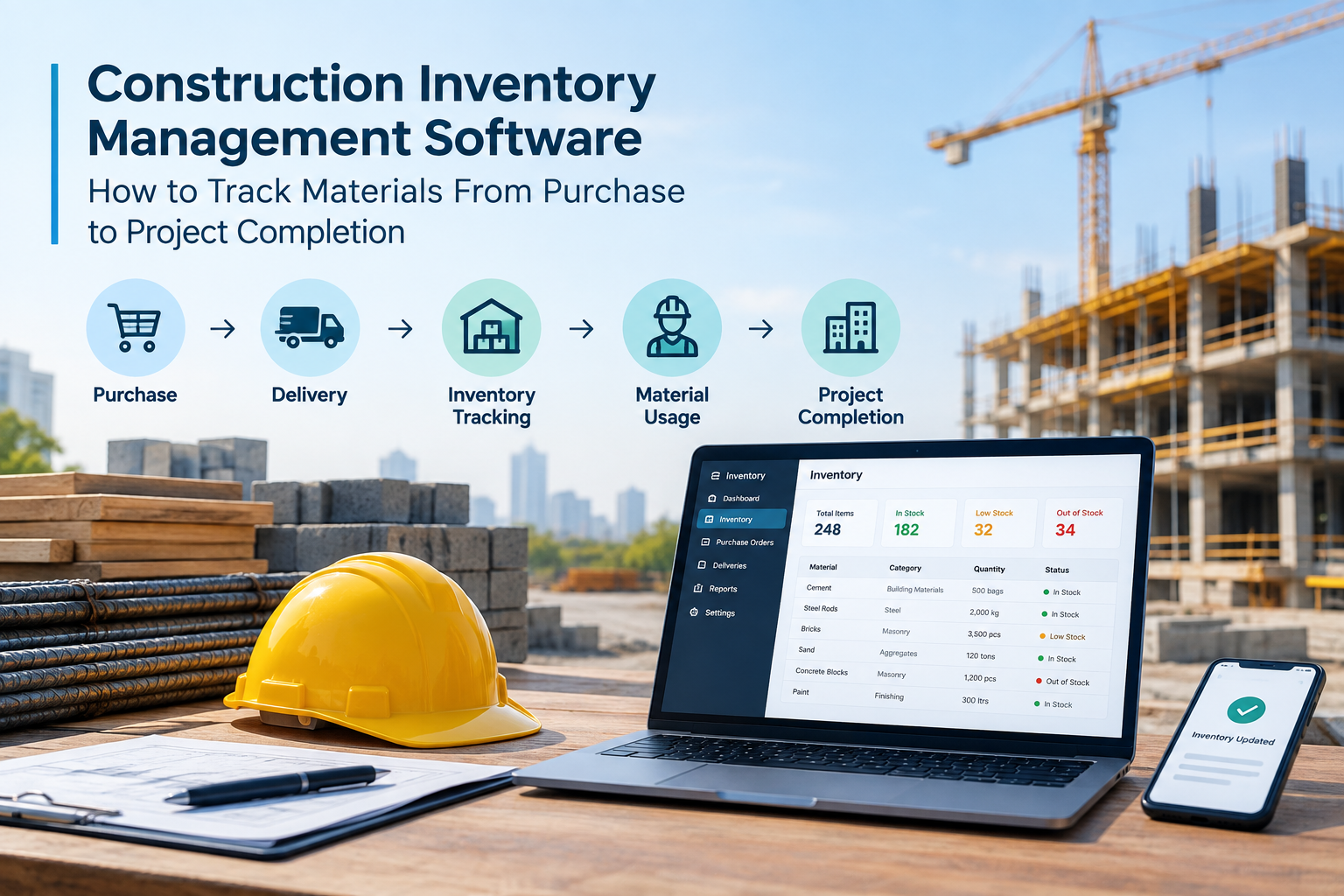
A torn cement bag at the gate rarely draws attention, yet small losses like this add up fast across a busy Indian site. Materials can account for a large portion of construction costs, while material waste depends on the construction project and construction methodologies employed (Source). Construction inventory management software monitors material flow from purchase and receipt to storage, allocation, utilization, and ultimately the reconciliation process. Table of Contents How Construction Inventory Management Software Tracks Materials Throughout a Project Construction inventory management software follows a clear sequence on any active site, moving from planning through to closure. Each stage builds on the last, creating a record a supervisor can trust. Creating Material Requests and Purchase Orders Tracking starts the moment a site engineer raises a material request for cement, steel, or fittings. Once approved, the request becomes a formal purchase order for the chosen vendor. From here, every later stage in the material’s journey traces back to this document. Comparing Suppliers and Managing Quotations Prior to finalizing a purchase, procurement teams will seek quotations from different suppliers to evaluate prices and delivery times. The construction inventory management system software can assist them in evaluating the suppliers and choosing a suitable one. This record also helps later, when teams check actual costs against the budget. Recording Material Deliveries at the Site Once the materials arrive, the on-site team inspects the quantity and condition before making an entry in the database. The construction inventory software for construction company can help teams record deliveries and maintain accurate stock records. Monitoring Stock Levels Across Locations With the arrival of materials, inventory is automatically updated for all warehouses and stores associated with the project. Stock recording allows managers to verify their inventory before placing orders. A dependable inventory software for construction company setup helps firms running several projects reassign surplus stock instead of duplicating orders. Tracking Material Allocation and Site Transfers Materials rarely stay put for long, especially across multi-site operations where surplus from one location suits another. Construction inventory software may be used to record delivery and keep proper stock records. The documents help to recognize any disparities in the goods dispatched versus those received. Recording Material Consumption During Construction As work progresses, consumption entries log how much cement, steel, or aggregate has gone into each activity. Teams then compare this figure against the quantity planned for that work item. After some time, these comparisons may show anomalies or variations that need to be examined. Reconciling Final Stock and Project Usage Near completion, the final reconciliation matches material purchased against material consumed and returned. Based on the state of the inventory and the policies of the firm, it may be either relocated, recalled, kept, or managed in other ways. This check, run through dependable material management software for construction, closes the loop on material efficiency. Why Construction Teams Need Better Material Tracking Poor material tracking rarely announces itself until a shortage or overspend has already happened. These three points explain why teams now treat it as essential, not optional. Reduce Material Shortages and Project Delays Nothing stalls a crew faster than running out of steel or cement halfway through a pour. Once that happens, everyone waits, and waiting on a construction site is never cheap. An accurate stock count system would help teams to recognize any impending shortage problems. Control Costs and Prevent Material Wastage Budgets do not usually surpass expectations suddenly. Expenses might increase gradually as a result of overutilization, wastage, and even under-recording of transactions. A material management software for construction setup catches these small leaks early, before they turn into a line item nobody can explain. Improve Visibility Across Projects and Warehouses In the absence of centralized monitoring, the managers handling multiple projects will lack information on the inventory levels. Construction inventory management software helps to put an end to this guessing game. What to Look for in Construction Inventory Management Software Skip anything that looks impressive in a demo but falls apart on a dusty site with patchy internet. The basics matter more; purchase orders, deliveries, consumption, and transfers logged in one place instead of three different spreadsheets. Not all inventory systems for construction company come with real-time alerts or proper reconciliation reports, hence it pays to do due diligence before choosing one. And if the site team cannot pick it up within a day, it is probably not the right fit. Conclusion Tracking materials this way isn’t difficult once it turns into routine. A few honest entries each day, logged as materials arrive and get used, save far more time than they cost. Construction inventory management software simply makes that habit easier to keep. Increased visibility of materials can assist the project team in controlling costs and knowing where materials are used.